ALICE Week 2006, Bologna 19-23 June
|
|
|
|
General Information
|
The meeting site, a short history of Santa Cristina (Piazzetta G. Morandi 2).
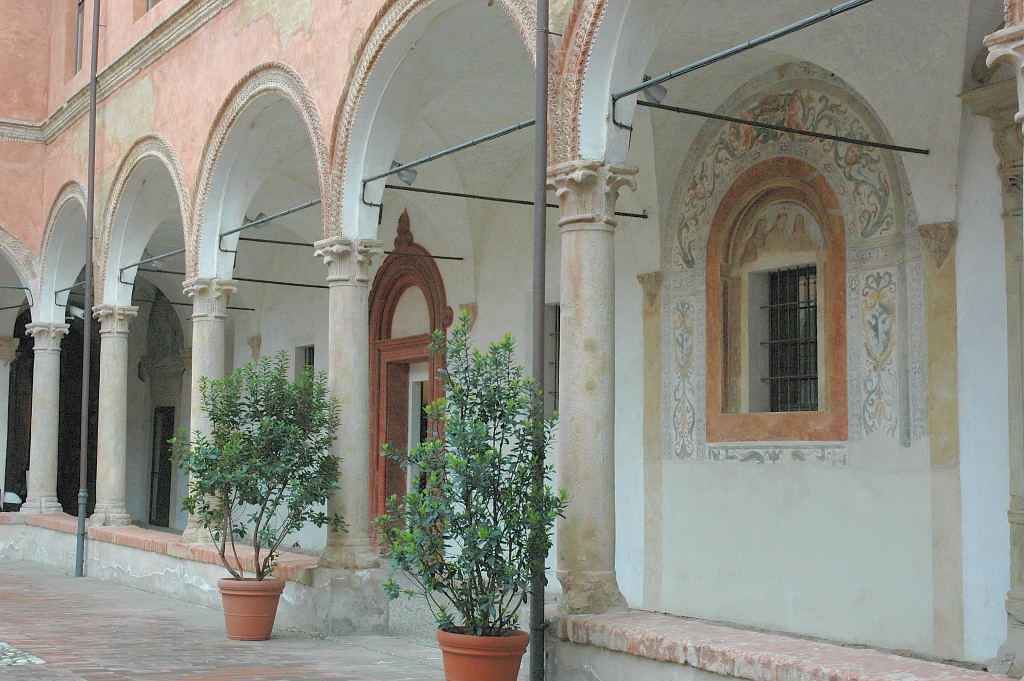
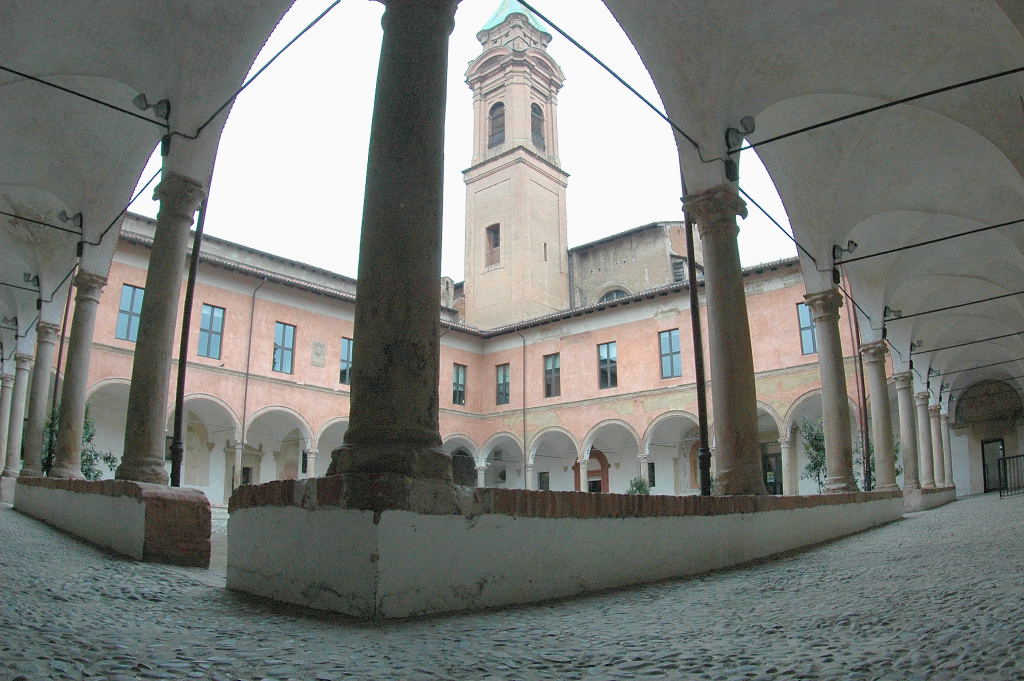
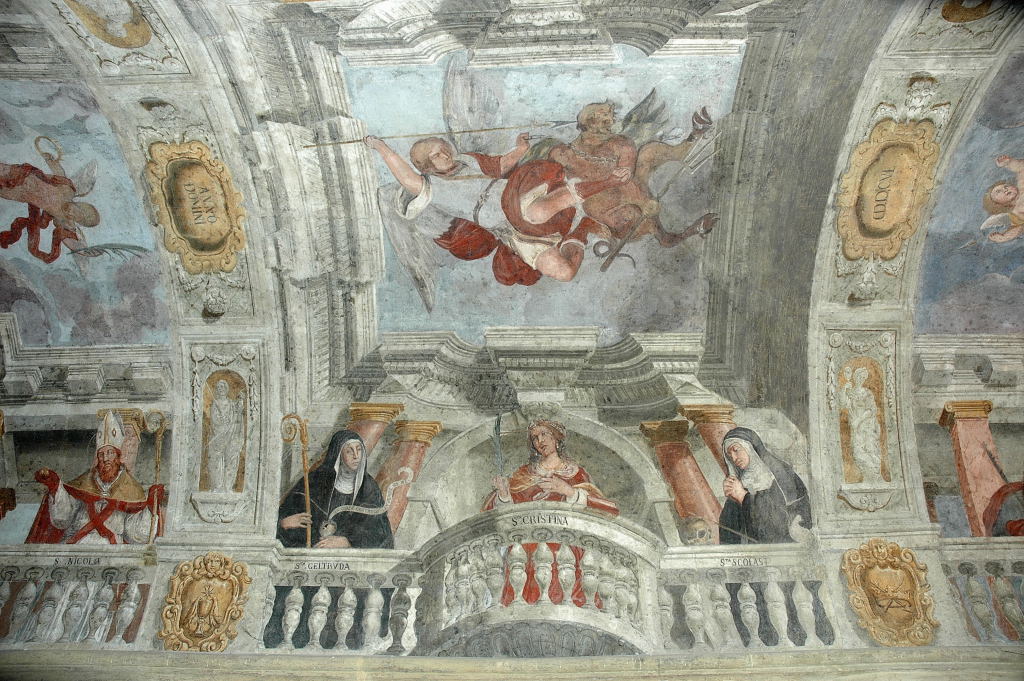
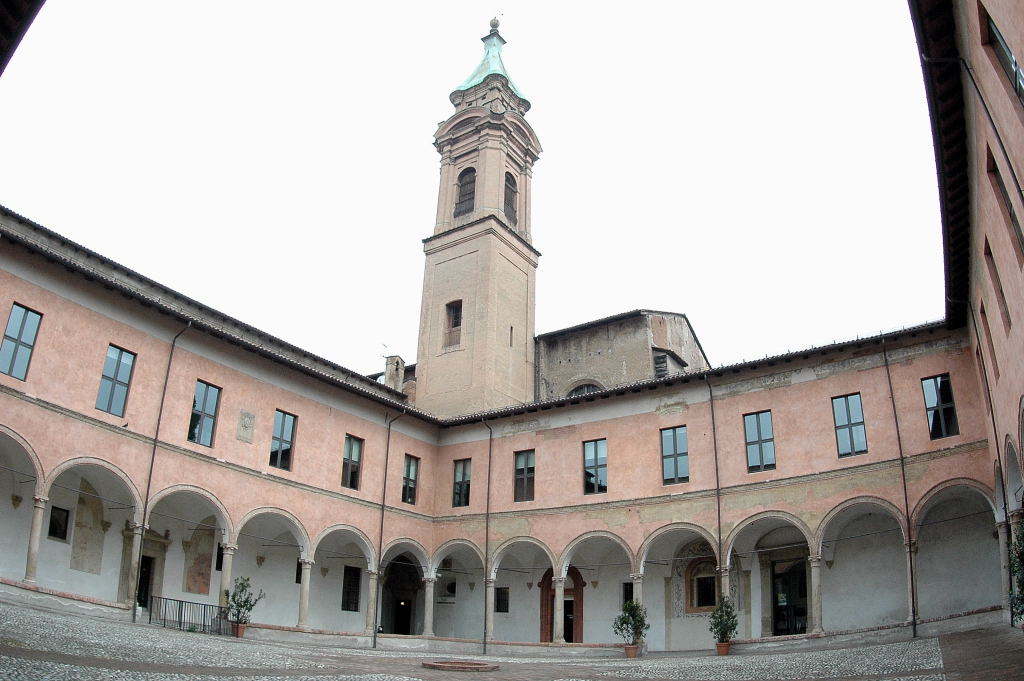
The ALICE week will take place in the old nunnery of Santa Cristina, recently restored by the University of Bologna that manages the site on behalf of the town municipality. In 1247 a group of Camaldolite nuns moved from the S. Cristina di Settefonti convent, outside Bologna, to the present site located in the old district called Fondazza, nearby the third city-wall ring that was being built at that time. At the beginning of XV century some buildings as the church, that had been destroyed by fire, and the cloister were rebuilt according to the new century architectural style.The “cotto” decorations probably date back to 1494, while the architectural decorations of the jambs and monumental gates and the upper level of the cloister date back to between 1573 and 1581. Giuliano della Torre was the architect in charge of the new parlour and the nearby rooms, called “camera del foce” (room with fireside), “stanzia del pane” (bread depository), “andite de la rota” (part of the parlour where a wheel allowed to exchange small object during visits). He also built a wall, painted on the internal side, for obstructing the sight of the external world in front of the main gate. Beyond the religious duties, the nuns were practising music and, in particular, the polyphonic chant; Lucrezia Orsina Vizzana (1590-1662) was one of the first women to publish her musical compositions. They also were very keen on art as proved by the commissioning of several altar-pieces and paintings such as the “Vergine con il bambino e i santi” (Holy Virgin with the baby and the saints) by Francesco Salviati (1540), the “Natività” (Nativity) by Giacomo Francia (1552) and the “Ascensione” (Ascension) by Ludovico Carracci (1597). In 1602 the old church was demolished and a new one was built. The end of Santa Cristina as a nunnery happened in 1627 when the nuns were obliged to leave the site because of their refusal to accept the priesthood’s administration. The church of Santa Cristina was then used as a parish-church and in 1691 the elegant belfry, ascribed to the Bibiena family of artists, was built. At the end of the XVIII century the Order of the Camaldolites was abolished by the French and the property of Santa Cristina passed to a national agency, and shortly after it was sold to private citizen. Between 1822 and 1862 the site was again a convent for the Augustinian nuns but in 1866, due to the new Italian State expropriation campaign, all the buildings, with the exception of the church and the parish house, were used as barracks.
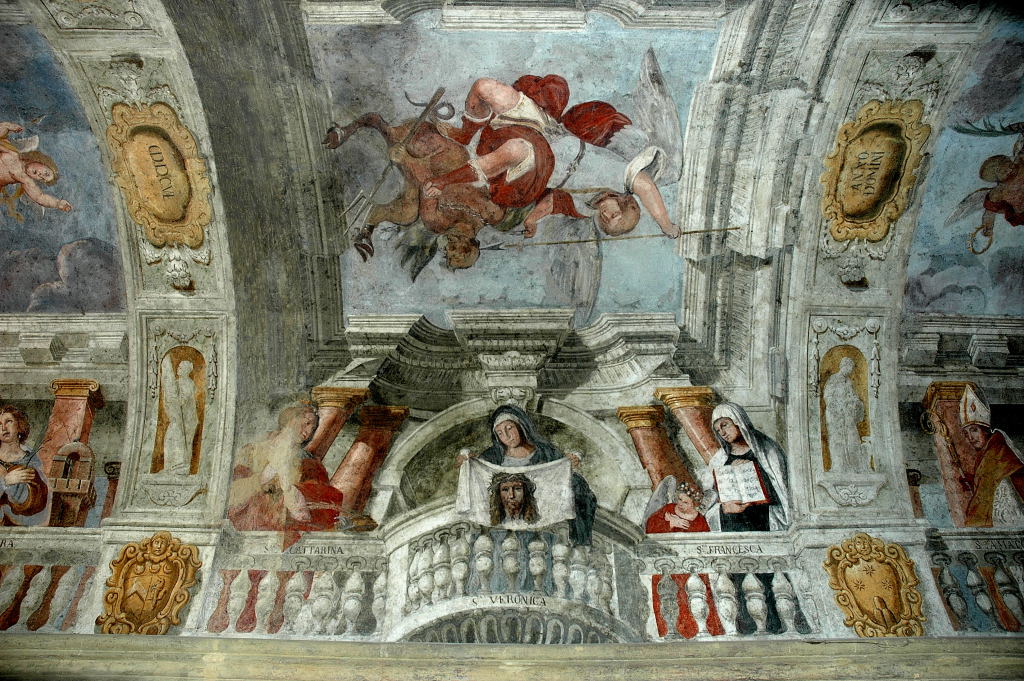
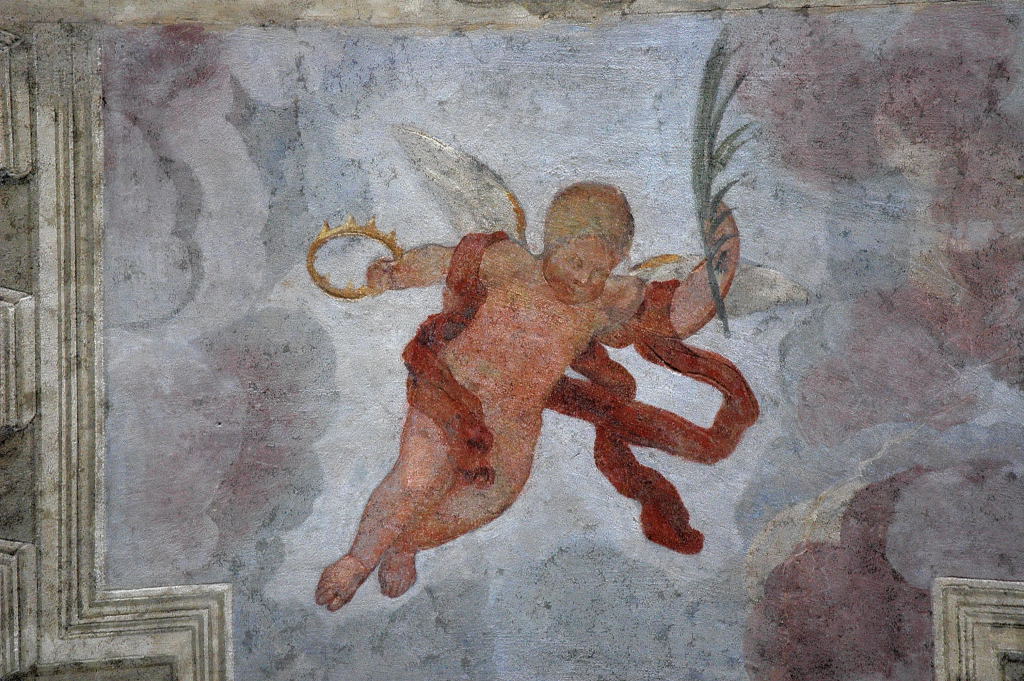
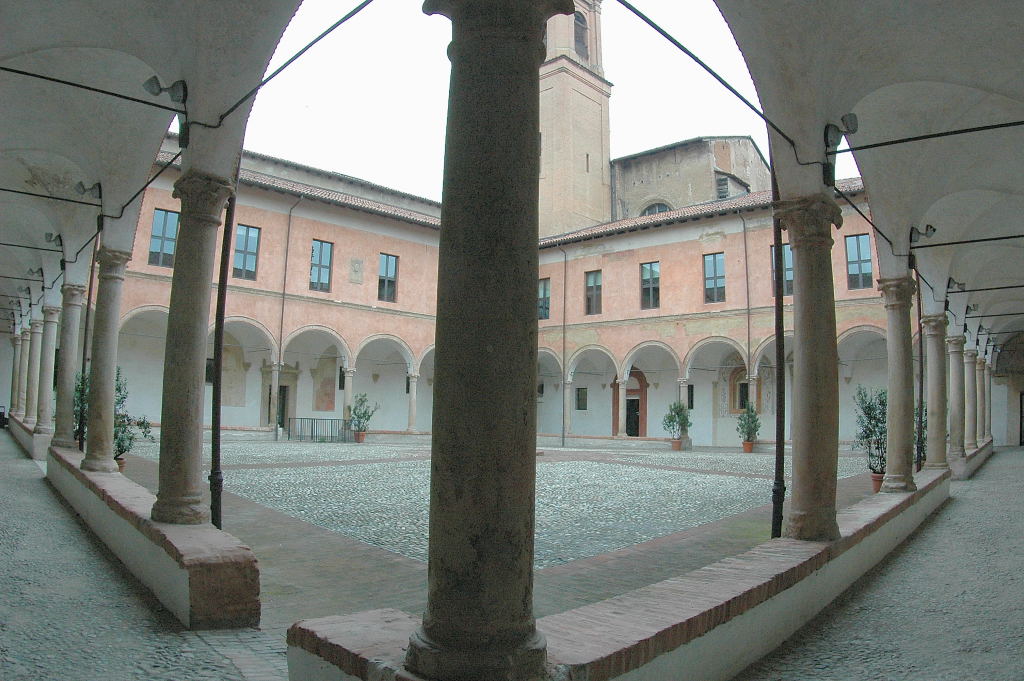
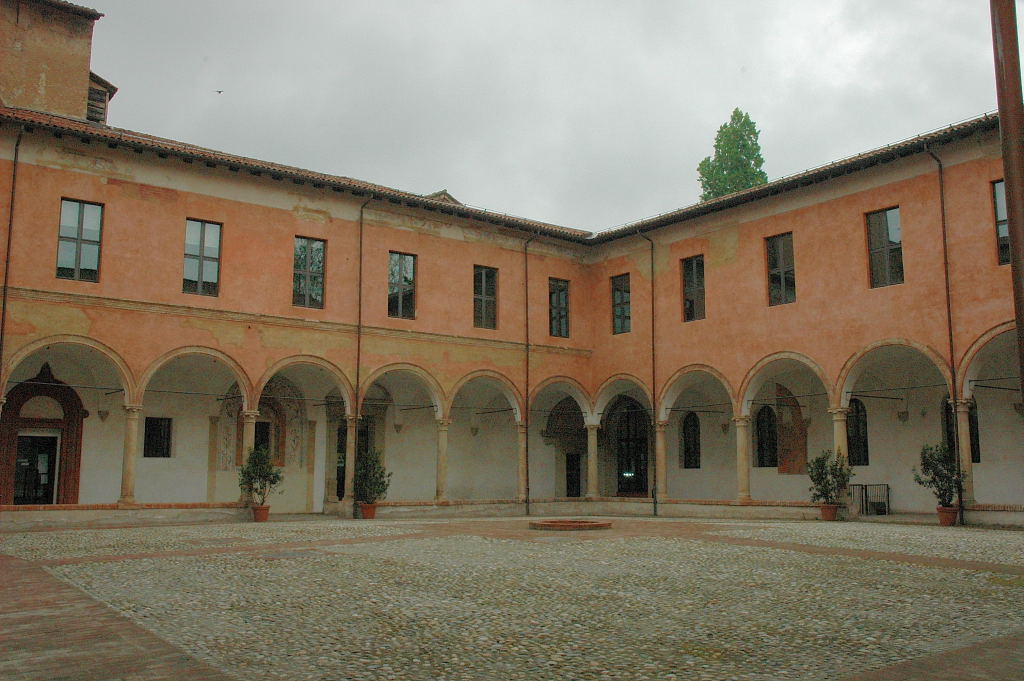
During the restoration works,ended in 2004, several original parts of the convent have been rediscovered, for example the full cloister paving and the painting and decorations of the XVI century. The original chromatic splendour of the cloister, especially the sandstone yellow and the red of the “cotto”, has been revived. Remnants of former transformations, such as the XIV century cloister and the hypogeal laundries, have been recovered.
Today the site hosts the Department of Visual Arts of the University of Bologna, some lecture rooms and services for the Faculty of Political Science, a library, the Federico Zeri Foundation (a rich collection of books, auction catalogues and photos on the subject of the history of art), and the National Library of Women.
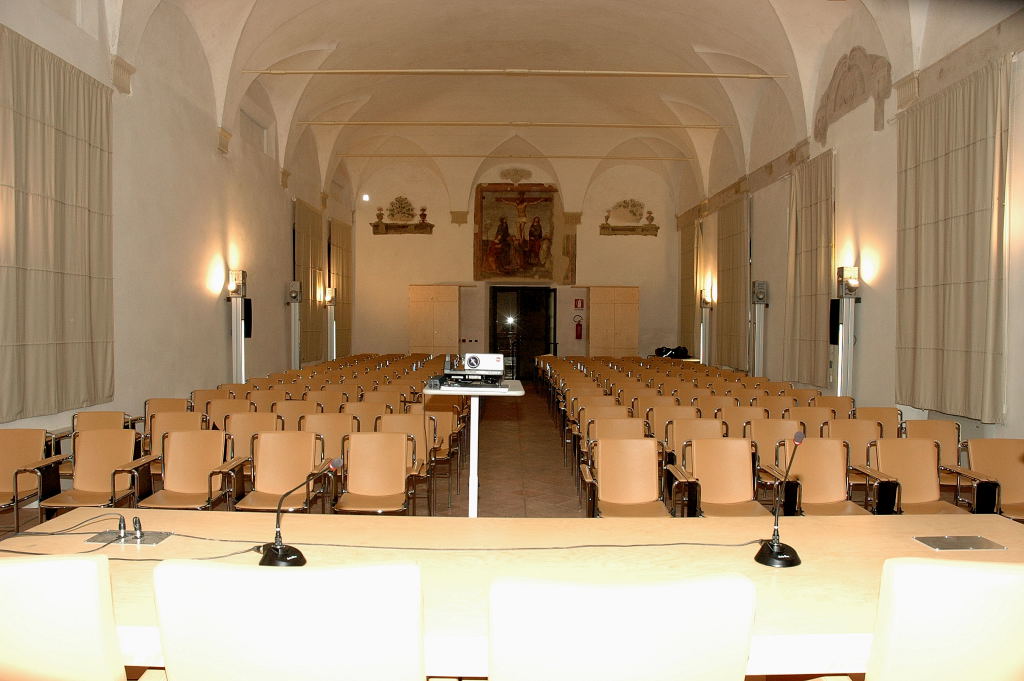
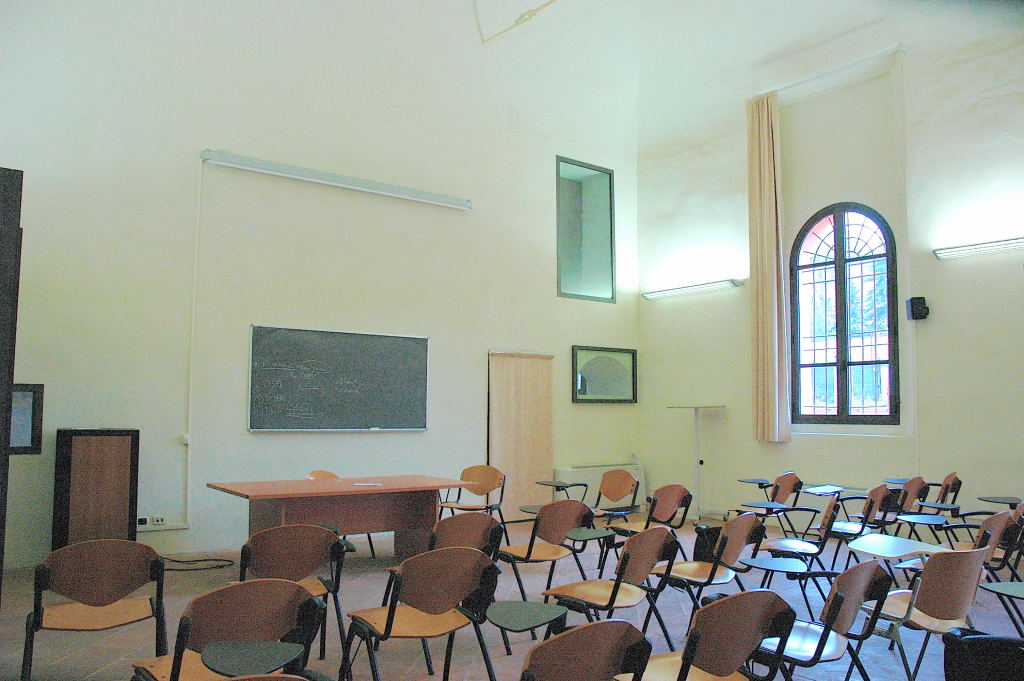
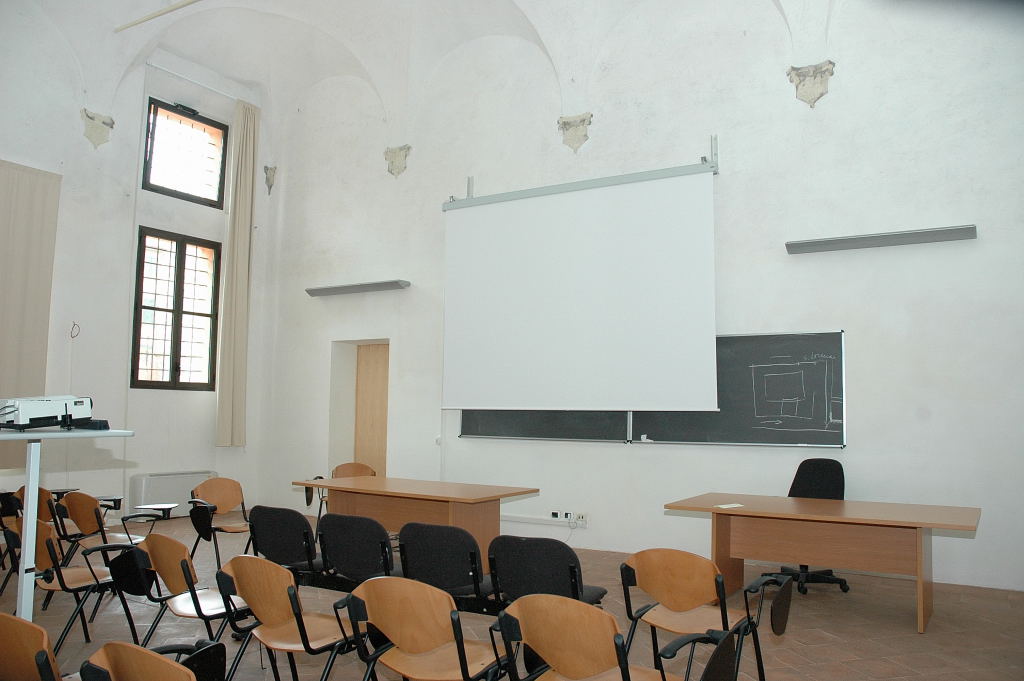
For the ALICE week we will use the “Aula Magna” (the old refectory) (150 -200 seats) and three lecture rooms ( “Aula 2”, “Aula 3”, “Aula 4”) (40-50 seats each), located at the ground floor and with access from the “portico” surrounding the cloister.
We wish you a very interesting scientific meeting and a very pleasant stay in Bologna, the town of the oldest University in the world, renowned for the medieval towers (especially the Asinelli’s and Garisenda’s), the 35 km of arcades or porticoes in the streets, the “tortellini” and the “mortadella”.